
What Is Physiotherapy?


Integrated Care: The Best of Both Worlds
- Physiotherapy provides detailed assessment, diagnosis, and rehabilitation, helping to rebuild strength and restore movement.
- Massage Therapy works on the soft tissues to reduce muscular tension, ease discomfort, and promote relaxation.
Together, these approaches create a well-rounded treatment pathway that supports both immediate relief and long-term results.

Conditions We Treat
Our physiotherapists work with a wide range of conditions, helping you recover and move more comfortably.
We commonly treat:
- Musculoskeletal Pain: Helping to relieve joint and muscle discomfort affecting daily life.
- Sports Injuries: Supporting recovery from strains, sprains, and activity-related injuries.
- Post-Operative Rehabilitation: Helping you regain strength, mobility, and function following surgery.
- Mobility Concerns: Improving balance, coordination, and overall movement.
- Postural Issues: Providing guidance and exercises to counteract the effects of prolonged sitting or repetitive tasks.

Your Appointment: What to Expect
Your First Visit
During your initial assessment, your physiotherapist will carry out a detailed physical examination to understand your symptoms, movement patterns, and goals. Your medical history will also be reviewed.
- Manual therapy and soft tissue techniques to reduce pain and improve mobility
- A tailored exercise programme designed around your needs
Follow-Up Sessions
Follow-up appointments focus on treatment progression and ongoing support. Your physiotherapist will monitor your improvement and adapt your plan to help you continue progressing.

Physiotherapy Pricing
Treatment
Physiotherapy and Your Membership
Members can book physiotherapy at Harrow using their membership. A credit covers a 45 minute initial assessment or a 30 minute follow-up, which makes a longer course of treatment much easier to sustain than paying for each visit.
That matters most for the sort of problems that need steady, repeated work rather than a one-off appointment. Ask the Harrow team and they will explain how your credits apply.
Private Health Insurance
Our physiotherapy team is recognised by major private health insurance providers, including BUPA, WPA, AXA, Aviva, Vitality, and Healix.
- Whether physiotherapy is included in your cover
- If a GP or consultant referral is required
- How many sessions are available
Our Harrow team will be happy to assist if you need further guidance.





Finding Us
Getting Here
Parking
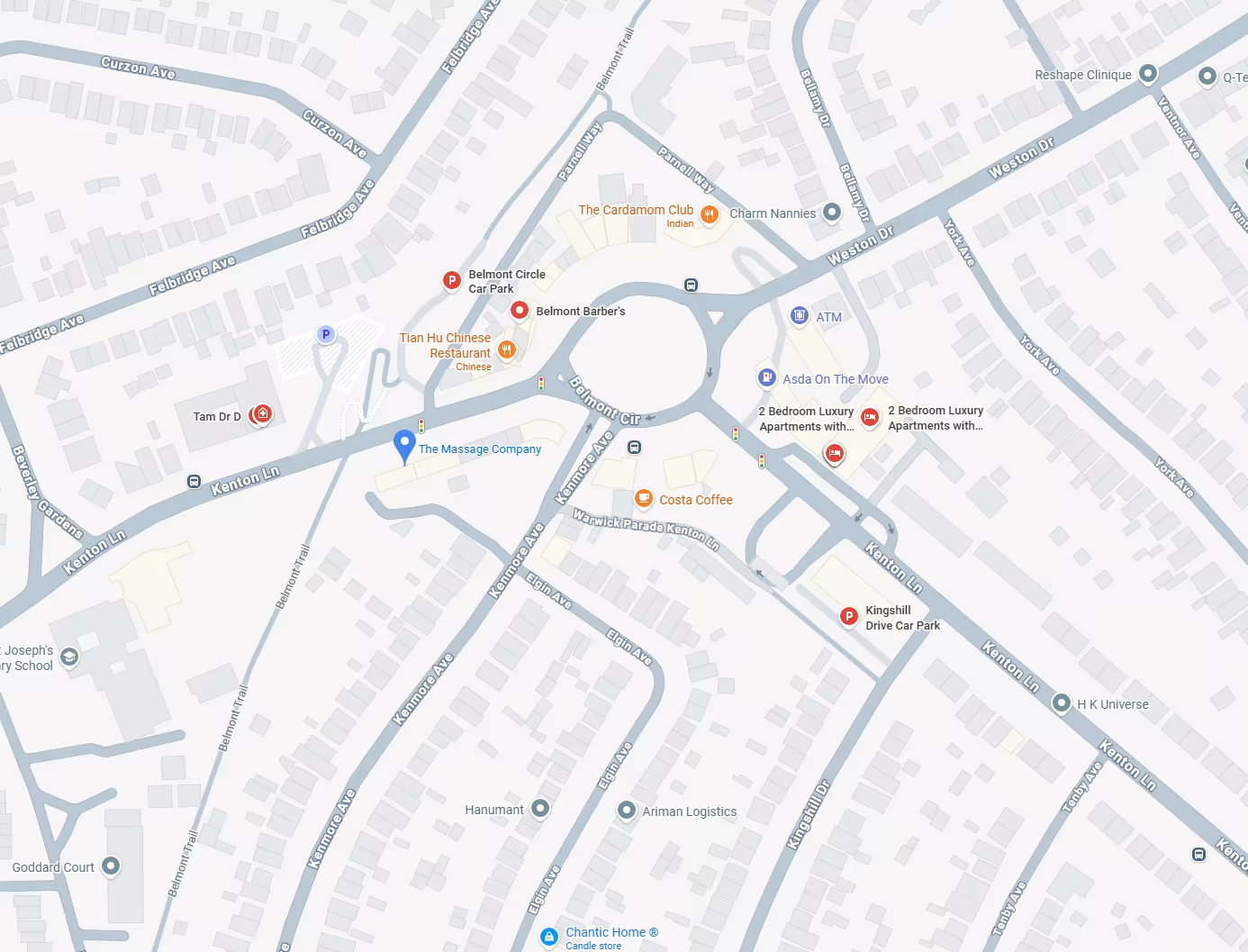
There are several parking options within a short walk of the clinic.
- St Ann's Car Park, one to two minutes on foot, secure covered parking with more than 900 spaces and parking from around £2.50 for up to two hours.
- St George's Car Park, three to four minutes on foot, a modern multi-storey with good availability.
- Greenhill Way Car Park, four to five minutes on foot, council-operated parking with the first hour free.
Why Choose The Massage Company for Physiotherapy
Treatment, not just talking
Jaw and TMJ treatment locally
Why patients choose our Harrow centre
- Strong Metropolitan line links
- Easy to reach from across North West London
- Close to Northwick Park Hospital
- Free first hour parking a few minutes away at Greenhill Way
Frequently Asked Questions
Do I Need a GP Referral?
No, you can book directly with our physiotherapists. If you are claiming through insurance, check with your provider as some may require a referral.
What Should I Wear?
Wear comfortable clothing that allows free movement. For example, shorts for knee issues or a vest top for shoulder concerns.
Will I be given exercises to do at home?
Yes, your physiotherapist will provide a tailored exercise programme to support your recovery.
How many sessions will I need?
This depends on your condition. Your physiotherapist will outline a plan during your initial assessment.
Can physiotherapy help prevent future injuries?
Yes, it can improve strength, flexibility, and movement patterns, helping reduce the risk of recurrence.
Can physiotherapy help with back, neck, or sciatica pain?
Yes, it uses targeted techniques and exercises to address underlying causes and improve mobility.
Will physiotherapy support recovery after surgery or injury?
Yes, it is a key part of rehabilitation, helping restore strength and function safely.
Can it help with joint pain or repetitive strain?
Yes, physiotherapy can reduce discomfort and improve function through treatment and education.
Is physiotherapy suitable for mobility or balance issues?
Yes, it can support improved coordination, stability, and confidence in movement.